The Human Microbiome: Tiny Organisms, Big Impact
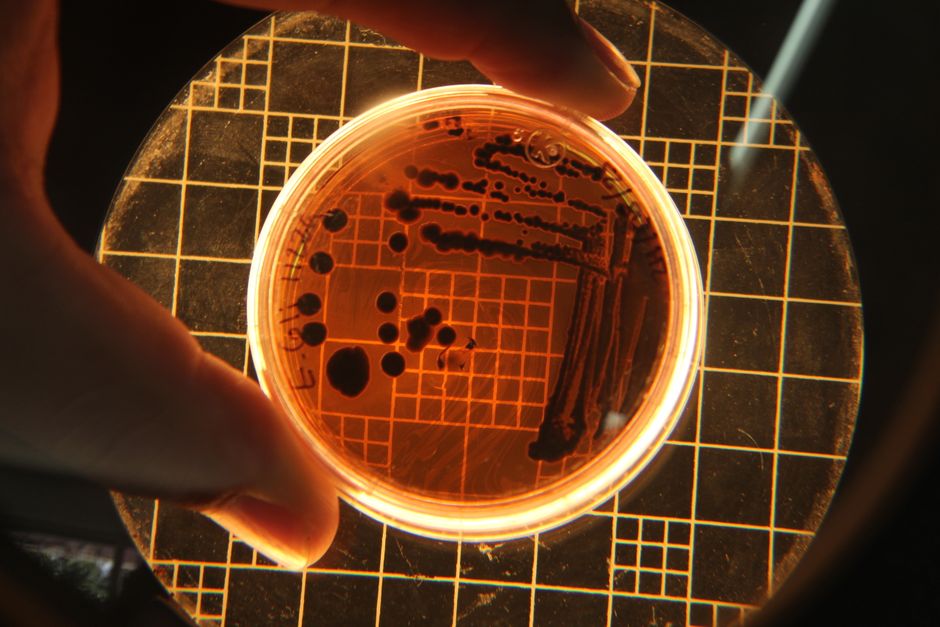
The human body hosts trillions of microorganisms, including bacteria, archaea, fungi, and viruses, collectively known as the microbiome. These tiny organisms are not passive passengers; they interact with human cells in ways that influence digestion, immune function, and overall health. Understanding the microbiome is a rapidly evolving field of study, with new discoveries continually shaping our knowledge of human biology.
This article explores the composition of the human microbiome, its role in digestion, and its broader impact on health. It also examines factors that shape the microbiome and discusses current research directions. The goal is to provide a clear, evidence-based overview of how these microscopic communities contribute to human well-being.
While the microbiome is often discussed in the context of digestive health, its influence extends to many other systems. From training the immune system to producing vitamins and interacting with the brain, the microbiome is a key player in maintaining homeostasis. As research advances, the complexity of these interactions becomes increasingly apparent.
What Is the Human Microbiome?
The human microbiome refers to the entire collection of microorganisms that live on and inside the human body. These microbes inhabit various sites, including the skin, mouth, respiratory tract, urogenital tract, and most notably, the gastrointestinal tract. The largest and most diverse microbial community resides in the gut, where it plays a critical role in digestion and nutrient absorption.
The composition of the microbiome varies greatly between individuals, influenced by factors such as genetics, diet, age, environment, and lifestyle. While certain core microbial groups are common, the exact species and strains can differ significantly. This individuality means that no two microbiomes are exactly alike, much like a fingerprint.
Research has shown that the microbiome is not just a collection of random microbes; it functions as a complex ecosystem. Microbial cells outnumber human cells, and their collective genetic material—the microbiome’s genome—contains millions of genes, far exceeding the human genome. This genetic diversity enables the microbiome to perform functions that human cells cannot, such as breaking down certain dietary fibers and synthesizing specific vitamins.
“The microbiome can be viewed as an additional organ that contributes to host metabolism and immunity.”
How Microbes Influence Digestion
Digestion is a complex process that begins in the mouth and continues through the stomach, small intestine, and colon. While human enzymes break down many components of food, certain carbohydrates, such as dietary fibers, resist digestion in the upper gastrointestinal tract. These fibers reach the colon, where they are fermented by gut bacteria. This fermentation produces short-chain fatty acids (SCFAs), which serve as an energy source for colon cells and have systemic effects on metabolism and immune function.
Beyond fiber fermentation, gut microbes assist in the breakdown of other dietary components, including certain proteins and fats. They also play a role in the synthesis of vitamins, such as vitamin K and several B vitamins. Additionally, the microbiome can influence the absorption of minerals like iron and calcium. These contributions highlight the importance of a diverse and balanced microbial community for optimal digestive health.
However, the relationship between the microbiome and digestion is bidirectional. The food we eat shapes the composition and function of the microbiome, and in turn, the microbiome affects how we digest and utilize nutrients. For example, a diet rich in plant-based fibers tends to promote the growth of beneficial bacteria that produce SCFAs, while a diet high in processed foods and added sugars may reduce microbial diversity and favor less beneficial species.
Disruptions to the gut microbiome, such as those caused by antibiotics or illness, can lead to digestive issues like bloating, diarrhea, or constipation. In some cases, these disruptions may contribute to more chronic conditions, although the exact mechanisms are still under investigation. Restoring a healthy microbiome often involves dietary changes, probiotics, or prebiotics, but the effectiveness can vary depending on individual circumstances.
Beyond Digestion: Systemic Effects of the Microbiome
The influence of the microbiome extends far beyond the digestive tract. The gut microbiome, in particular, interacts with the immune system, helping to train it to distinguish between harmless and harmful microorganisms. This education begins early in life and is crucial for preventing overreactions that can lead to allergies or autoimmune conditions.
Moreover, the microbiome communicates with the central nervous system through what is known as the gut-brain axis. This bidirectional communication involves neural, hormonal, and immune pathways. Microbial metabolites, such as SCFAs and neurotransmitters, can influence brain function and behavior. Research has linked the gut microbiome to mood, stress response, and even neurodegenerative diseases, though causal relationships remain to be fully established.
Additionally, the microbiome plays a role in drug metabolism. Certain gut bacteria can modify drugs, affecting their efficacy and toxicity. This has implications for personalized medicine, as variations in microbiome composition may explain why individuals respond differently to the same medication.
Furthermore, the microbiome is implicated in metabolic disorders such as obesity and type 2 diabetes. Studies have shown that the gut microbiota of obese individuals differs from that of lean individuals, but whether these differences are a cause or a consequence of obesity is still debated. Nonetheless, the potential for microbiome-targeted therapies is an active area of research.
Factors That Shape the Microbiome
The composition of the human microbiome is dynamic and changes over time. Several factors influence its development and stability:
- Birth and early life: Mode of delivery (vaginal vs. cesarean), breastfeeding, and early exposure to antibiotics can affect the initial colonization of the microbiome.
- Diet: Long-term dietary patterns, such as a high-fiber vs. high-fat diet, significantly impact microbial diversity and function.
- Age: The microbiome evolves from infancy to old age, with notable shifts occurring during childhood and in the elderly.
- Environment: Living conditions, sanitation, and exposure to pets or farm animals can introduce diverse microbes.
- Medications: Antibiotics, proton pump inhibitors, and other drugs can alter the microbiome, sometimes with lasting effects.
- Stress and sleep: Psychological stress and sleep disturbances can influence the gut microbiome through the gut-brain axis.
These factors interact in complex ways, making it challenging to isolate the effect of any single one. For instance, diet and medication use often correlate with age and health status, confounding the interpretation of study results.
Despite these challenges, researchers have identified certain patterns. A diverse microbiome is generally considered a marker of health, while reduced diversity is often associated with various diseases. However, the direction of causality is not always clear, and more research is needed to determine whether low diversity is a cause or a result of poor health.
Current Research and Future Directions
The field of microbiome research is rapidly advancing, thanks to technological breakthroughs in DNA sequencing and bioinformatics. These tools allow scientists to identify and quantify microbial species without culturing them, revealing the vast diversity of the microbiome. Large-scale projects, such as the Human Microbiome Project, have provided foundational data on the composition of the microbiome in health and disease.
Current research is exploring several promising avenues:
- Microbiome-based diagnostics: Developing tests that use microbial signatures to predict disease risk or diagnose conditions.
- Therapeutics: Designing probiotics, prebiotics, and postbiotics to modulate the microbiome for health benefits.
- Fecal microbiota transplantation (FMT): Using donor stool to restore healthy gut bacteria, particularly for recurrent Clostridioides difficile infection.
- Personalized nutrition: Tailoring dietary recommendations based on an individual’s microbiome profile.
- Gut-brain axis: Investigating how microbiome interventions might affect mental health and neurological disorders.
At SciSimplified, we aim to make complex scientific topics like the microbiome accessible to everyone. By breaking down the latest research into clear, understandable language, we help you stay informed about this fascinating field.
While the potential is enormous, it is important to approach microbiome-based interventions with caution. Many products on the market claim to improve health by altering the microbiome, but scientific evidence for their efficacy is often limited. As with any health decision, it is advisable to consult with a healthcare professional before making significant changes to your diet or using supplements.
In conclusion, the human microbiome is a complex and vital component of human biology. Its influence on digestion, immunity, and overall health is profound, yet many questions remain unanswered. Ongoing research promises to unravel these mysteries, potentially leading to new ways to prevent and treat disease. By understanding the factors that shape the microbiome, we can make informed choices that support our health and well-being.